Posts

Transporting dangerous goods? Go with UN approved FIBC bags by Umasree Texplast

Image
UN approved FIBC bags are specially made for the transport of hazardous material. This special type of FIBC bag is created to comply with the United Nations Recommendations on the Transport of hazardous goods, known as the “Orange Book”. UN certification, authorized by the Director-General of Shipping, Govt. of India, is necessary for transportation of dangerous goods by rail, road, sea or air. There are multiple rigorous tests (Top lift test, Tear test, Stacking test, Drop test, Topple test, Righting test) which are mandatory for obtaining UN certificate. An FIBC Bag must pass all these tests to be certified as a UN Bag. Al these tests are conducted by reputed and certified external Test houses. After the full set of rigorous testing and satisfactory performance of the FIBCs, the certificate is issued by the Indian Institute of Packaging to manufacturer/seller. UN approvedFIBC bags are made to prevent any type of physical injury to people, harm to the environment...

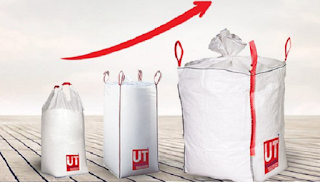
3 Reasons that Prove FIBC Bulk Bags are a Great Packaging Option

Image
FIBC bags are an ideal packaging option especially when you want bags that can handle huge amounts of weight safely and securely. They are also called flexible intermediate bulk containers and are commonly used by businesses across the world to store and transport food grade products (only in food grade FIBC bags) and also products such as sand, fertilizers, chemicals and more. Here are 3 good reasons why you must choose these bulk bags and that too from a reputed FIBC bags manufacturer : Customizable The biggest benefit of these bags is that they can be customized as per your business need and demand. If you have complete clarity on what you need these bags for and the kind of product you want to store/transport in these bags, you can ask the FIBC bags manufacturer to customize these bags for you. The various customizable elements of these bags include: Capacity and size Food Grade or Non-Food Grade Color Bag Type (A, B, C & D) Filling and discharging features And many more! ...

Types of FIBC (Flexible Intermediate Bulk Containers) Packaging Solutions

Image
FIBC bags also called big bags or jumbo bags are typically used across various industries to store or transport dry bulk goods We are a packaging solution provider who can offer numerous options which cater to your specific customized packaging requirement. Having said that, here are some of the FIBC packaging solutions that you can choose from: 1)    1 & 2 LOOP FIBC Bags These bags are cost-effective and produced using single tubular fabric. These offer users the benefit of a higher breaking strength courtesy its design wherein the body-fabric has been extended into a lifting loop. These bags can also be equipped with an inner liner that ensures that items carried in the bag remain clean and dry. They are a great pick for the agricultural sector wherein they can be used to store and carry grains and fertilizers; they are also used for storing and transporting other items such as powder and minerals. 2)    4 LOOP FIBC Bags Th...

History of FIBC Bags and its popularity today

Image
If you have a business requiring the use of FIBC Bags, this blog will help you get a brief understanding of the History and use of FIBC Bags. What is an FIBC Bag ? FIBC (Flexible Intermediate Bulk Containers) Bags are also known as Jumbo Bags or Bulk Bags. For storing and transporting dry and free-flowing materials, for example, Plastics, Cement, Clay, Fertilizers, etc, FIBC Bags are used. FIBC Bags can be carried by hand or can also be looped on to a crane to transport it anywhere. How much do you know about the FIBC Bags? Take a ride as under and enjoy the information. Bulk Bags or FIBC Bags were first manufactured in the late 1950s or early 1960s. In the 1970s, FIBCs ‘ popularity increased dramatically, especially in Europe as a result of the global oil crisis. It is known that during the above-mentioned period, FIBCs were produced in the United States, Europe, and Japan. During that time, FIBCs were made of PVC rubber and used to transport ...